AL NUHA INTERNATIONAL

Oman E-Invoicing (Fawtara) 2026:
Complete Guide to Timeline, Requirements
& Implementation

Home / Blogs

Latest updates
  • All Posts

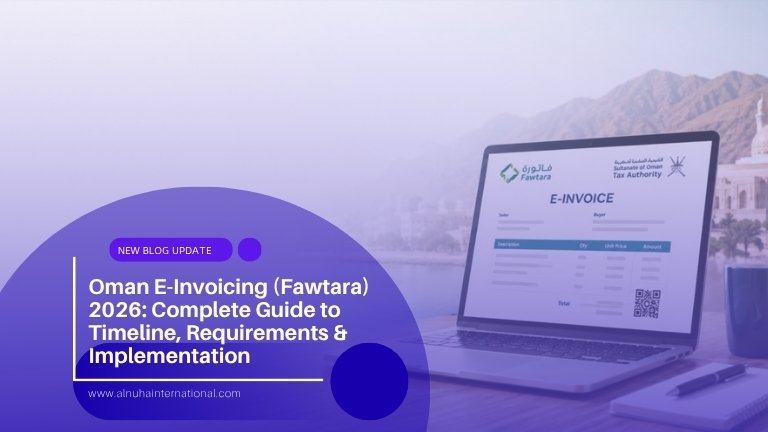
The Sultanate of Oman is entering a new era of digital taxation with the introduction of Fawtara, the national e-invoicing system developed by the Oman Tax Authority (OTA). This initiative is part of the country’s digital transformation strategy and aims to modernize invoicing, improve VAT compliance, reduce tax fraud, and streamline financial reporting for businesses.

Unlike traditional invoices that are issued as paper documents or PDFs, e-invoices are created, transmitted, and stored electronically in a structured format that enables automated validation and secure data exchange between businesses and the Oman Tax Authority.

To ensure a smooth transition, the OTA has adopted a phased implementation approach beginning in August 2026, allowing businesses sufficient time to prepare their accounting systems, review business processes, and integrate with the new platform.

In this guide, we explain everything businesses need to know about Oman E-Invoicing, including the implementation timeline, key requirements, compliance obligations, and practical preparation steps.

What is Oman E-Invoicing (Fawtara)?

Fawtara is Oman’s national electronic invoicing system introduced by the Oman Tax Authority to digitize the way VAT-registered businesses issue and exchange invoices.

Instead of manually preparing invoices or sending PDF documents, businesses will generate invoices electronically using their accounting or ERP systems. These invoices are exchanged through approved service providers using standardized electronic formats, allowing faster validation, improved accuracy, and greater transparency.

The Fawtara framework is built on the internationally recognized Peppol network and follows the PINT OM (Peppol International Invoice Model – Oman) specifications for invoice exchange. This standardized approach enables secure communication between businesses while supporting real-time tax reporting.

The initiative represents a significant milestone in Oman’s ongoing efforts to enhance tax administration and align with international best practices in digital taxation.

Why is Oman Introducing E-Invoicing?

The implementation of e-invoicing goes beyond replacing paper invoices. It is designed to improve the overall efficiency of the tax ecosystem while supporting businesses in their digital transformation journey.

Some of the key objectives include:

  • Strengthening VAT compliance across all industries.
  • Reducing tax evasion and invoice fraud.
  • Improving invoice accuracy through automation.
  • Simplifying VAT audits and tax reporting.
  • Reducing manual paperwork and administrative costs.
  • Enhancing transparency between businesses and the Oman Tax Authority.
  • Supporting Oman Vision 2040 through digital transformation initiatives.

For businesses, e-invoicing offers an opportunity to automate financial processes, minimize human errors, and improve operational efficiency while ensuring compliance with evolving tax regulations.

Oman E-Invoicing Implementation Timeline (2026–2027)

To facilitate a smooth rollout, the Oman Tax Authority has divided implementation into four phases based on taxpayer categories.

Phase Implementation Period Applicable Businesses
Phase 1
August 2026
Selected major VAT-registered taxpayers
Phase 2
February 2027
Remaining major VAT-registered taxpayers
Phase 3
August 2027
All remaining VAT-registered businesses, including SMEs
Phase 4
Date to be announced
Government entities and institutions

This phased approach allows businesses to prepare their systems before mandatory compliance becomes applicable.

Who Must Comply with Oman E-Invoicing?

According to the implementation roadmap shared by the Oman Tax Authority, the e-invoicing mandate will gradually extend to all VAT-registered businesses operating in Oman.

The rollout includes:

  • Large VAT-registered businesses
  • Medium-sized businesses
  • Small and Medium Enterprises (SMEs) registered for VAT
  • Government entities (during a later phase)

Businesses that are not immediately included in the first implementation phase should still begin preparations well in advance to avoid last-minute implementation challenges.

Key Requirements for Oman E-Invoicing

Businesses should understand that e-invoicing involves more than simply issuing invoices electronically. It requires compliance with technical, operational, and tax requirements established by the Oman Tax Authority.

Key requirements include:

Structured Electronic Invoice

Invoices must be generated in the prescribed electronic format rather than as manually created PDF files or paper documents.

Accounting or ERP Integration

Businesses should assess whether their accounting software or ERP system is capable of supporting electronic invoice generation and data exchange.

Accurate VAT Information

Invoice data must contain accurate customer information, VAT registration numbers, invoice details, tax amounts, and other mandatory fields.

Approved Data Exchange

Invoices should be transmitted through compliant electronic invoicing solutions aligned with the Fawtara framework.

Digital Record Keeping

Electronic invoices must be securely archived according to applicable VAT record retention requirements.

How Does the Fawtara E-Invoicing System Work?

The Fawtara platform enables secure invoice exchange between businesses using a standardized electronic process.

A simplified workflow is as follows:

  1. The supplier generates an electronic invoice from their accounting or ERP system.
  2. The invoice is validated using the applicable technical standards.
  3. The validated invoice is transmitted electronically through the approved exchange framework.
  4. The buyer receives the invoice electronically.
  5. Relevant invoice data is made available to the Oman Tax Authority for compliance purposes.

This automated process reduces manual intervention, improves invoice accuracy, and supports faster processing.

Benefits of E-Invoicing for Businesses

Although e-invoicing introduces new compliance obligations, it also offers several operational benefits.

Improved Accuracy

Automated invoice generation reduces manual data entry errors and improves data consistency.

Faster Invoice Processing

Electronic invoices can be processed more efficiently than traditional paper-based invoices.

Better VAT Compliance

Structured invoice data helps businesses maintain accurate VAT records and simplifies tax reporting.

Reduced Administrative Costs

Structured invoice data helps businesses maintain accurate VAT records and simplifies tax reporting.

Enhanced Audit Readiness

Electronic records are easier to retrieve during tax audits and compliance reviews.

Improved Business Efficiency

Automation allows finance teams to focus on higher-value activities instead of repetitive manual tasks.

How Should Businesses Prepare?

Businesses should begin preparing well before their assigned implementation phase.

Recommended preparation steps include:

Review Existing Systems

Assess whether your ERP or accounting software can support electronic invoice generation and integration.

Verify Master Data

Review customer records, VAT registration numbers, product information, and tax codes to ensure data accuracy.

Review Invoice Processes

Evaluate current invoice approval workflows and identify changes required for electronic invoicing.

Assess System Gaps

Identify any technical or operational gaps that need to be addressed before implementation.

Train Finance and IT Teams

Ensure employees understand the new invoicing procedures and compliance requirements.

Conduct Testing

Allow sufficient time to test integrations and resolve issues before the mandatory implementation date.

Starting early significantly reduces implementation risks and helps businesses avoid operational disruptions.

How Can Al Nuha International Help?

Transitioning to Oman E-Invoicing involves both tax compliance and operational readiness. Businesses must ensure that their accounting systems, VAT processes, and internal controls align with the new regulatory requirements.

our experienced tax and accounting professionals help businesses prepare for this transition through practical advisory and compliance support.

Frequently Asked Questions

The first implementation phase begins in August 2026 for selected major taxpayers, with additional phases extending through 2027.

The requirement will gradually apply to all VAT-registered businesses in Oman according to the phased implementation schedule.

Fawtara is the national electronic invoicing system introduced by the Oman Tax Authority to facilitate secure digital invoice exchange and improve VAT compliance.

No. Businesses should begin preparations early by reviewing their accounting systems, validating customer data, and assessing integration requirements.

Yes. Al Nuha International provides advisory services to help businesses assess readiness, review compliance processes, and prepare for successful implementation.

Conclusion

Oman’s transition to Fawtara E-Invoicing marks a significant step toward a more transparent, efficient, and digitally connected tax environment. While the implementation is being introduced gradually, businesses should treat the published timeline as an opportunity to prepare rather than a reason to delay.

By reviewing your accounting systems, strengthening internal processes, and planning ahead, your organization can transition smoothly while reducing operational and compliance risks.

If your business is preparing for Oman E-Invoicing, Al Nuha International is ready to support you with professional tax advisory, VAT compliance reviews, accounting system assessments, and implementation readiness services tailored to your organization’s needs.